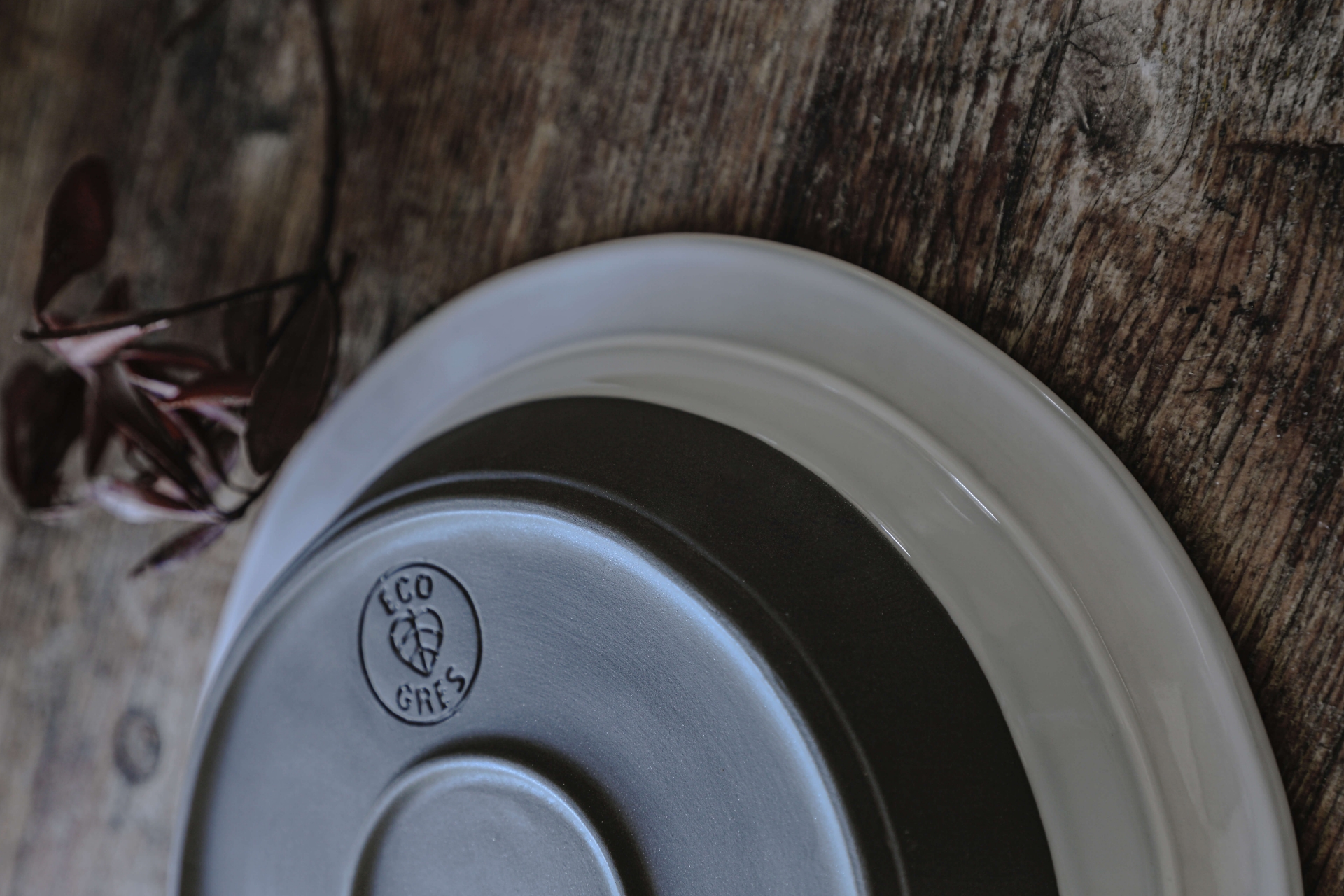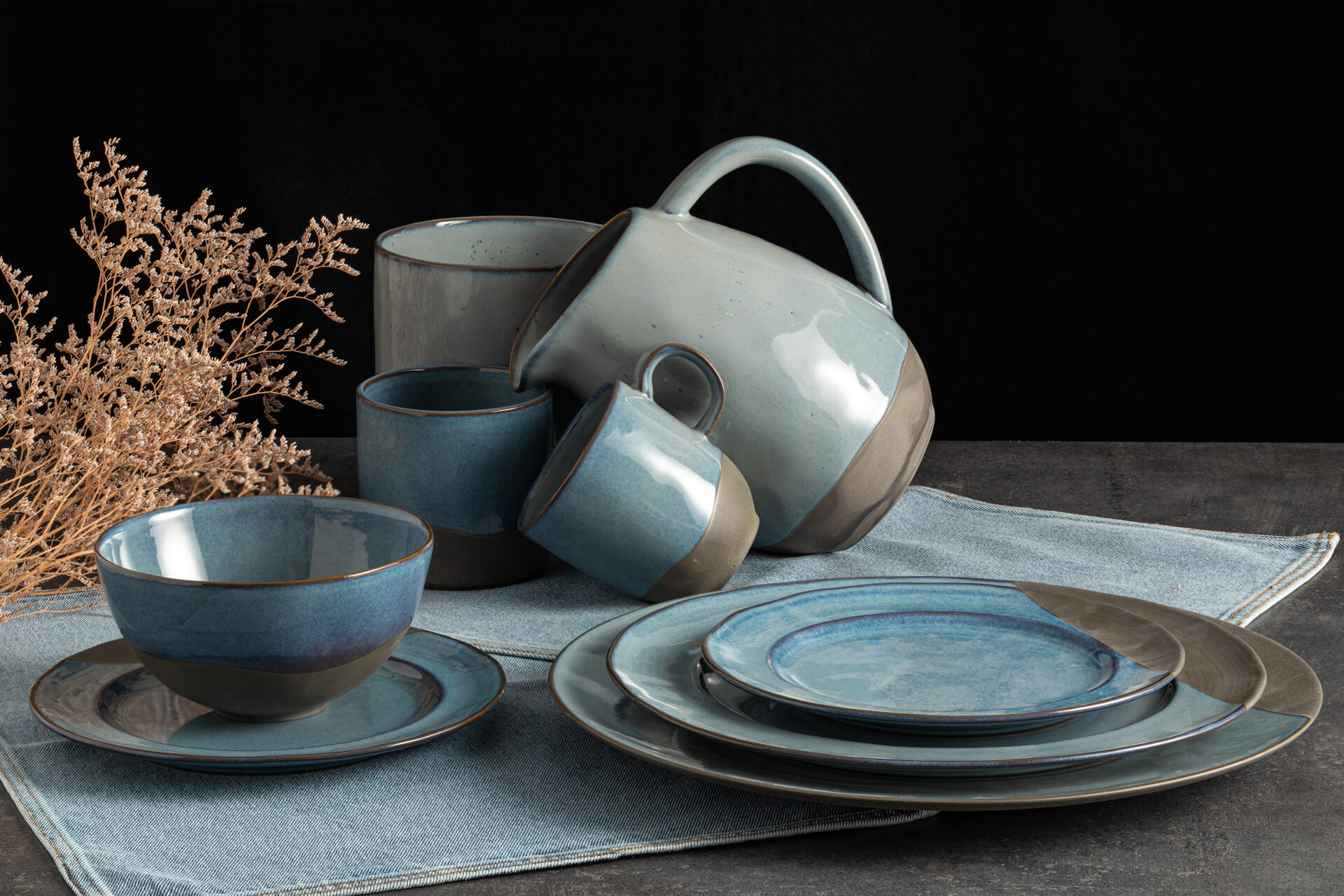
EcoGrés+NG – Research and Development of Stoneware Clay Body Incorporating Industrial Waste/By-products
The main objective of the EcoGrés+NG project is to develop a colored clay body in which waste/by-products from Grestel’s production process, as well as waste/by-products from companies in other sectors – namely Navigator (fly ash and dregs from paper pulp production), Extrusal (sludges from aluminum anodization), and Grohe (sludges from galvanization processes)—will be incorporated.
The new clay will have a cost at least 20% lower than that of a similar body produced with virgin raw materials. Optimizing the clay body composition through the incorporation of the aforementioned waste/by-products will enable a reduction in its processing temperature, with consequent economic and environmental benefits. For this purpose, development will be carried out in two stages: the formulation of a colored clay body incorporating all waste/by-products resulting from Grestel’s manufacturing process, and the formulation of a colored clay body incorporating waste/by-products from other industries. Both will be developed at a lower temperature than that currently used by Grestel.
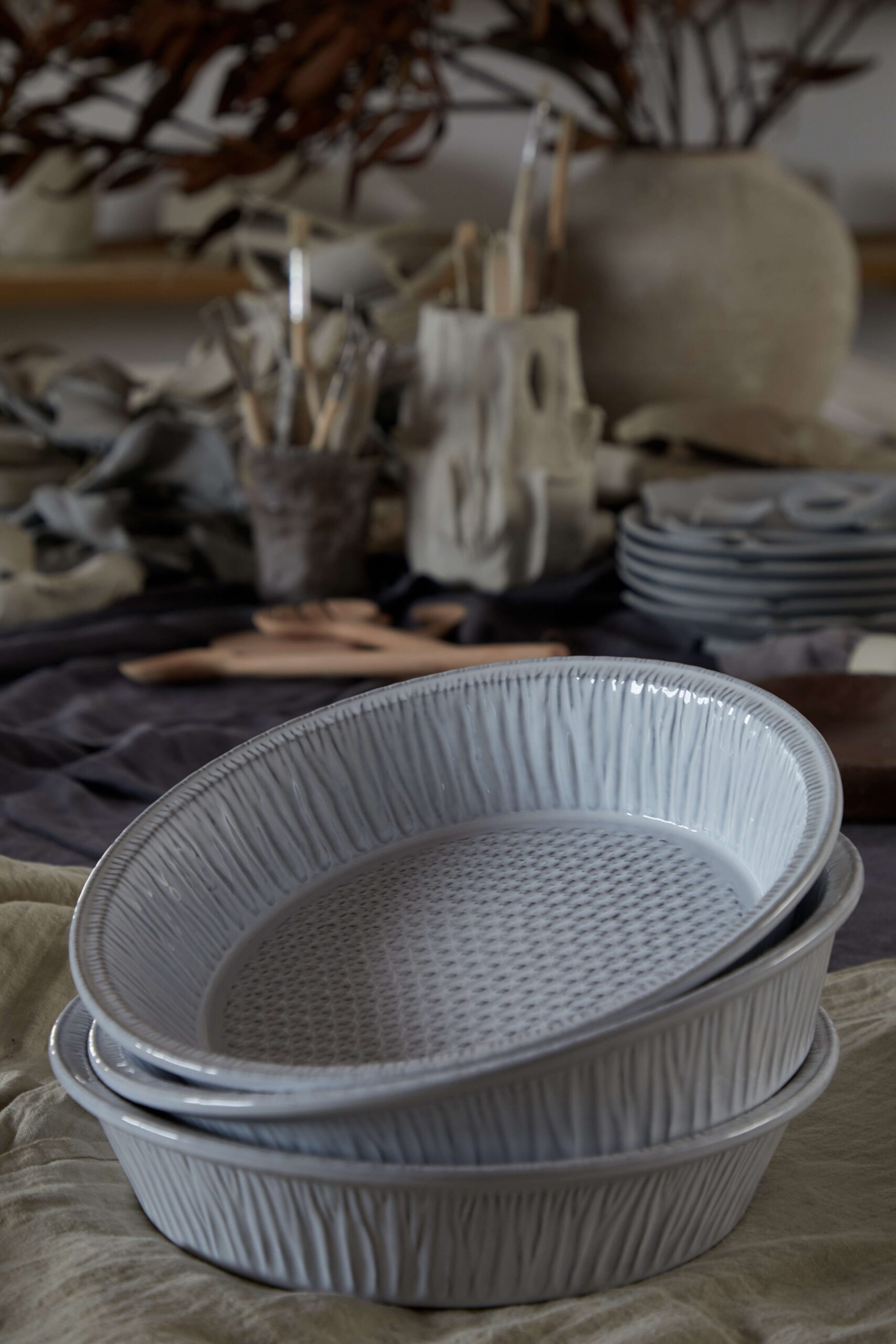
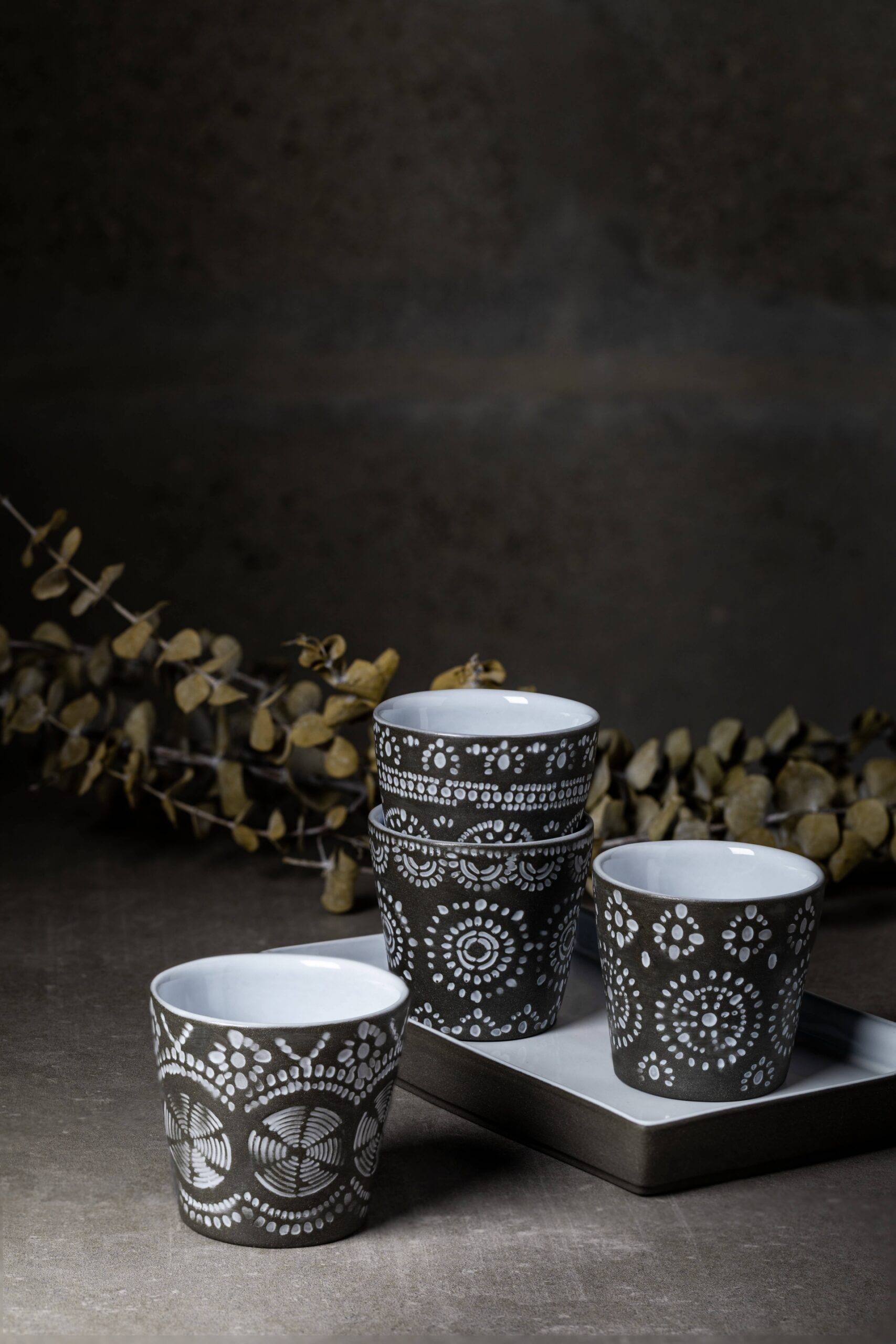
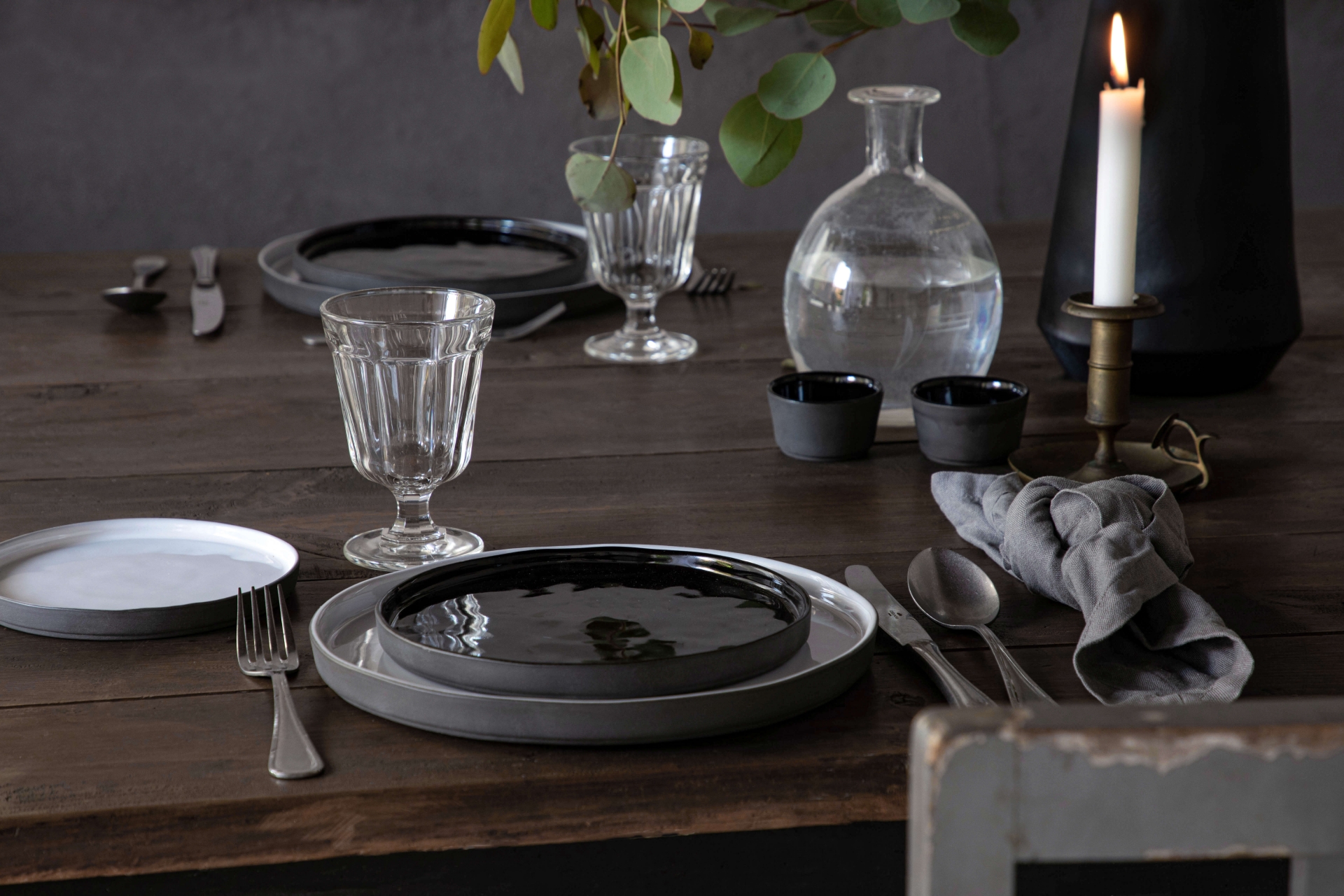
As a result of the research carried out during the project, it is expected to obtain prototypes and pre-series of ceramic pieces produced with a clay body containing more than 80% waste/by-products (from Grestel and the other companies), with a processing temperature approximately 30°C lower than that currently used by the company. Environmental and economic impacts associated with the use of waste/by-products will be considered throughout the project through the assessment of gaseous emissions and the certification of the developed products.
To achieve these results, the project team, led by Grestel, brings together members from the Department of Materials and Ceramic Engineering / CICECO at the University of Aveiro.
Specific Results:
With the implementation of this project, it was possible to develop a colored clay body that incorporates more than 90% of the waste/by-products generated by Grestel. In addition, up to 5% of anodization sludge from Extrusal was successfully incorporated into the stoneware body. In numerical terms, the EcoGrés project was a commercial success, achieving sales of over €900,000 in 2021.